

Global Market Update
On Saturday 28 February simmering tensions in the Middle east escalated with coordinated U.S. and Israeli strikes on Iran.
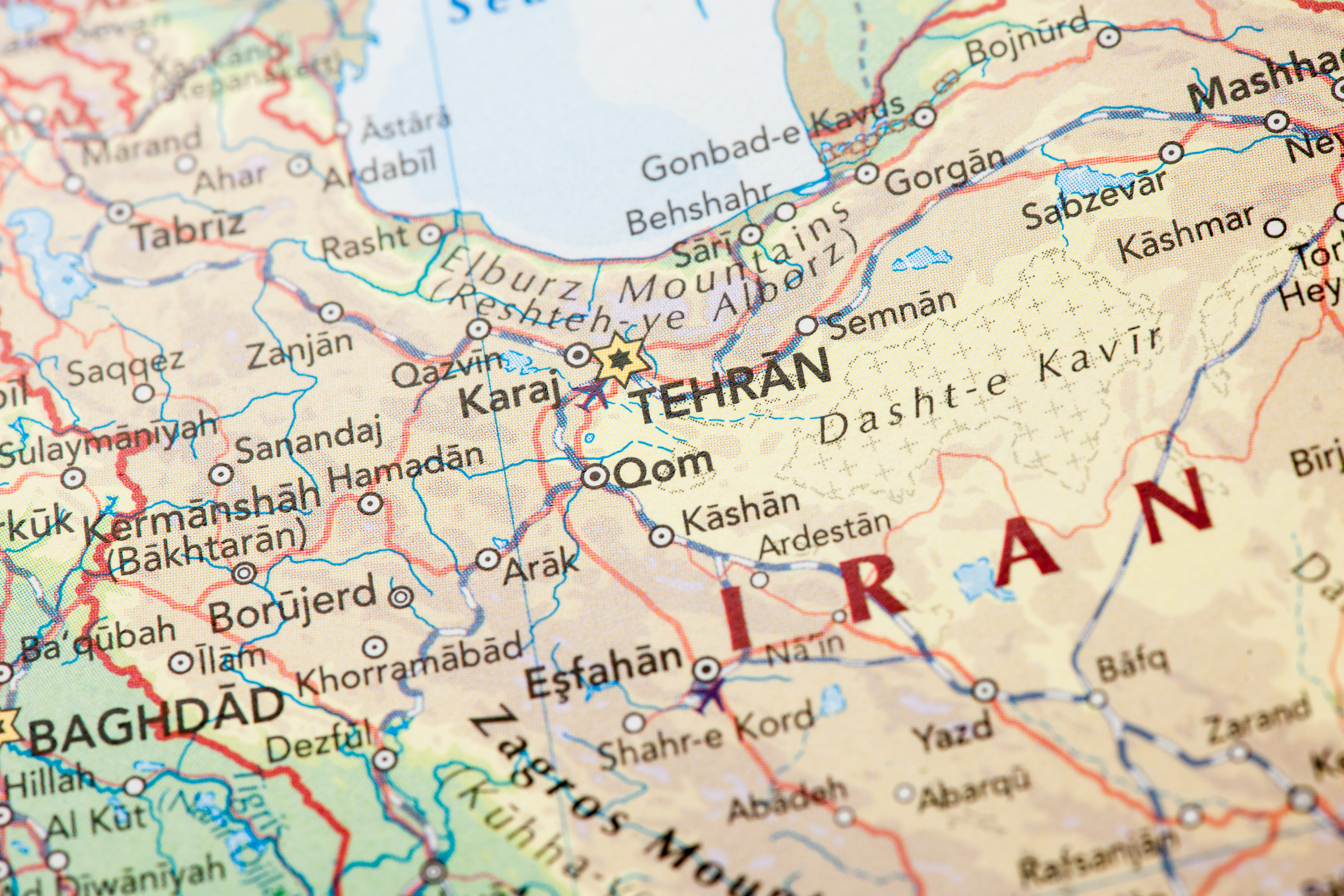
The attacks included the targeting of key military infrastructure, nuclear related sites and leadership figures including clerical leader Ayatollah Ali Khamenei who was killed in the action. In response, Iran launched retaliatory missile and drone attacks on targets across the region, including multiple U.S. bases and allied countries including Israel.
This escalation has already disrupted shipping through the Strait of Hormuz. This narrow waterway is one of the world’s most important energy chokepoints because it is the main route into and out of the Persian Gulf, where many of the world’s largest oil export terminals are located. At their narrowest point, the shipping lanes are about 3km wide, yet they handle some of the world’s largest oil tankers. Around 20% of the world’s oil exports travel through the Strait.
If the conflict escalates or drags on, and especially if oil shipments through the Strait of Hormuz are reduced or stopped, the impacts could be meaningful for economic growth and financial markets (in addition to the human cost of the conflict).
Financial markets reacted quickly with gold, oil and bond prices rising, while share markets sold off. What has surprised us is that, despite some volatility, the initial price reaction was somewhat more muted than anticipated. Subsequent price action to date has seen a continuation of that theme. Oil prices however, remain higher - around 7% to 10% above pre conflict levels - while the world and markets grapple with what happens from here.
Our base case is that the fighting does not materially intensify from here, lasts for several weeks, and oil tankers continue to move through the Strait of Hormuz (albeit at a slower rate). If that occurs, we expect share markets to stabilise but become more fragmented with energy producers and defence companies likely to outperform in the short term. Bond yields could drift slightly higher if oil prices stay elevated and lift inflation expectations. In Australia, that would increase the chance that the Reserve Bank’s next move is an interest rate rise.
In a major escalation scenario, such as a sustained closure of the Straits of Hormuz and/or widespread damage to regional infrastructure, oil and gold prices are likely to go higher and shares would likely fall more sharply as recession risk increases and energy-driven inflation stays higher. In that environment, central banks may need to keep interest rates higher for longer.
Ultimately, while short-term market reactions reflect fear and uncertainty, the longer-term trajectory will depend on the duration and intensity of hostilities, the stability of shipping through the Straits of Hormuz and the potential for diplomatic efforts to deescalate hostilities.
At time of writing, we are monitoring the situation intensely. We remain concerned there could be a further escalation, but our base case is that the conflict continues for some time without a major escalation. The impact on financial markets will be moderately higher volatility accompanied by a reduction in risk appetite until a clear path to deescalation becomes apparent.
Have more questions? Reach out to our knowledgeable team today.
We acknowledge the significant contribution of Dr Ron Bewley and Woodhall Investment Research Pty Ltd in the preparation of this report.
General Advice Warning
The information in this presentation contains general advice only, that is, advice which does not take into account your needs, objectives or financial situation. You need to consider the appropriateness of that general advice in light of your personal circumstances before acting on the advice. You should obtain and consider the Product Disclosure Statement for any product discussed before making a decision to acquire that product. You should obtain financial advice that addresses your specific needs and situation before making investment decisions. While every care has been taken in the preparation of this information, Infocus Securities Australia Pty Ltd (Infocus) does not guarantee the accuracy or completeness of the information. Infocus does not guarantee any particular outcome or future performance. Infocus is a registered tax (financial) adviser. Any tax advice in this presentation is incidental to the financial advice in it. Taxation information is based on our interpretation of the relevant laws as at 1 July 2020. You should seek specialist advice from a tax professional to confirm the impact of this advice on your overall tax position. Any case studies included are hypothetical, for illustration purposes only and are not based on actual returns.